



ERRα
ERRα is an orphan nuclear receptor first identified by homology to steroid hormone receptors, and it functions as a transcriptional regulator rather than an estrogen receptor[1]. Mechanistically, ERRα works with PGC-1α to activate mitochondrial genes, oxidative phosphorylation, and mitochondrial biogenesis[2][3]. In cardiac and skeletal muscle, ERRα directs PPARα-linked transcriptional control of fatty-acid transport and cellular energy metabolism[4]. In brown adipose tissue models, loss of ERRα impairs mitochondrial oxidative metabolism and adaptive thermogenesis, supporting its use in metabolic research models[5]. Disease-focused studies connect ERRα activity with breast cancer heterogeneity and negative prognosis, while metabolic studies position ERRα as a regulator of high-energy cellular states[6]. Compared with related isoforms, ERRα and ERRγ mainly regulate metabolic genes, whereas ERRβ is more closely linked to embryonic stem-cell pluripotency[7]. For experimental applications, the inverse agonist XCT790 disrupts PGC-1α/ERRα signaling, and the synthetic pan-ERR agonist SLU-PP-332 activates an ERRα-dependent aerobic exercise program in skeletal muscle[8][9].
References:
- [1]. Giguère V, et al. Identification of a new class of steroid hormone receptors. Nature. 1988 Jan 7;331(6151):91-4. [Content Brief]
- [2]. Schreiber SN, et al. The estrogen-related receptor alpha (ERRalpha) functions in PPARgamma coactivator 1alpha (PGC-1alpha)-induced mitochondrial biogenesis. Proc Natl Acad Sci U S A. 2004 Apr 27;101(17):6472-7. [Content Brief]
- [3]. Mootha VK, et al. Erralpha and Gabpa/b specify PGC-1alpha-dependent oxidative phosphorylation gene expression that is altered in diabetic muscle. Proc Natl Acad Sci U S A. 2004 Apr 27;101(17):6570-5. [Content Brief]
- [4]. Huss JM, et al. Estrogen-related receptor alpha directs peroxisome proliferator-activated receptor alpha signaling in the transcriptional control of energy metabolism in cardiac and skeletal muscle. Mol Cell Biol. 2004 Oct;24(20):9079-91. [Content Brief]
- [5]. Villena JA, et al. Orphan nuclear receptor estrogen-related receptor alpha is essential for adaptive thermogenesis. Proc Natl Acad Sci U S A. 2007 Jan 23;104(4):1418-23. [Content Brief]
- [6]. Deblois G, et al. Genome-wide identification of direct target genes implicates estrogen-related receptor alpha as a determinant of breast cancer heterogeneity. Cancer Res. 2009 Aug 1;69(15):6149-57. [Content Brief]
- [7]. Huss JM, et al. Constitutive activities of estrogen-related receptors: Transcriptional regulation of metabolism by the ERR pathways in health and disease. Biochim Biophys Acta. 2015 Sep;1852(9):1912-27. [Content Brief]
- [8]. Willy PJ, et al. Regulation of PPARgamma coactivator 1alpha (PGC-1alpha) signaling by an estrogen-related receptor alpha (ERRalpha) ligand. Proc Natl Acad Sci U S A. 2004 Jun 15;101(24):8912-7. [Content Brief]
- [9]. Billon C, et al. Synthetic ERRα/β/γ Agonist Induces an ERRα-Dependent Acute Aerobic Exercise Response and Enhances Exercise Capacity. ACS Chem Biol. 2023 Apr 21;18(4):756-771. [Content Brief]
-
ERRα Related Products (13)
Related Products (13)

-
Antibodies (2)
- 1
-
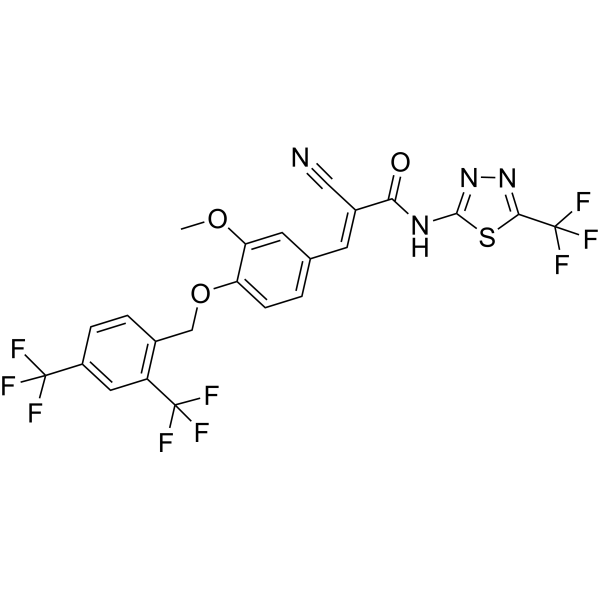
SLU-PP-332
 0 ImagesSLU-PP-332 is a pan-Estrogen Receptor/ERR agonist with EC50 values of 98, 230 and 430 nM for ERRα, ERRβ and ERRγ, respectively. SLUPP-332 enhances mitochondrial function and cellular respiration in skeletal muscle cell lines. SLU-PP-332 has the potential to study metabolic diseases as well as improve muscle function.
-
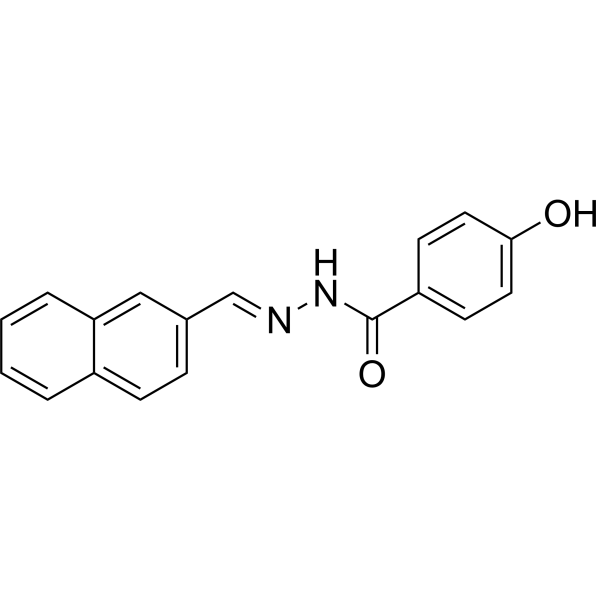
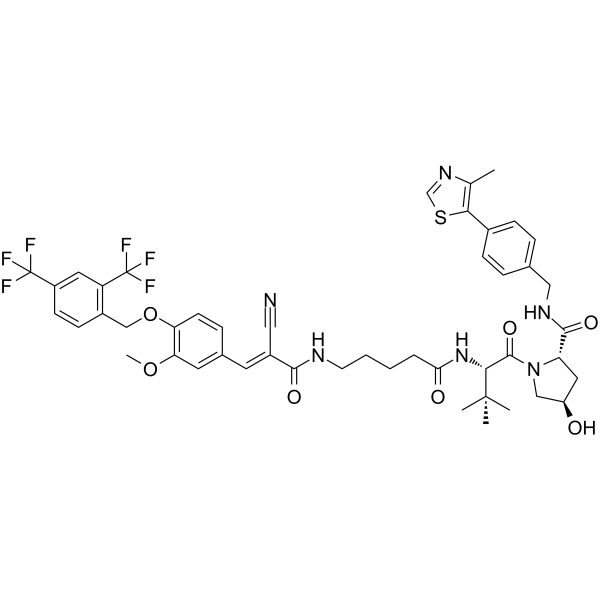
DS45500853
 0 ImagesDS45500853 is an estrogen-related receptor α (ERRα) agonist. DS45500853 inhibits the binding between receptor-interacting protein 140 (RIP140) corepressor peptide (10 nM) and GST-ERRα ligand-binding domain (LBD; 1.2 μM) with an IC50 value of 0.80 μM. DS45500853 can be used for the research of metabolic disorders, including type 2 diabetes mellitus (T2DM).
-
Estrogen receptor-IN-2
 0 ImagesCat. No.: HY-184982Estrogen receptor-IN-2 is a potent estrogen receptor inhibitor formed by the conjugation of Tam (HY-13757)-NHC and gold (I). Estrogen receptor-IN-2 significantly downregulates estrogen receptor (ER) levels, inhibits ER-mediated downstream signaling pathways, and induces immunogenic cell death (ICD) mediated by damage-associated molecular patterns (DAMPs). Estrogen receptor-IN-2 can overcome drug resistance in MCF-7Y537S mutant cells via the RAMP3/CALCR signaling pathway. It is suitable for research on endocrine-resistant breast cancer.
-
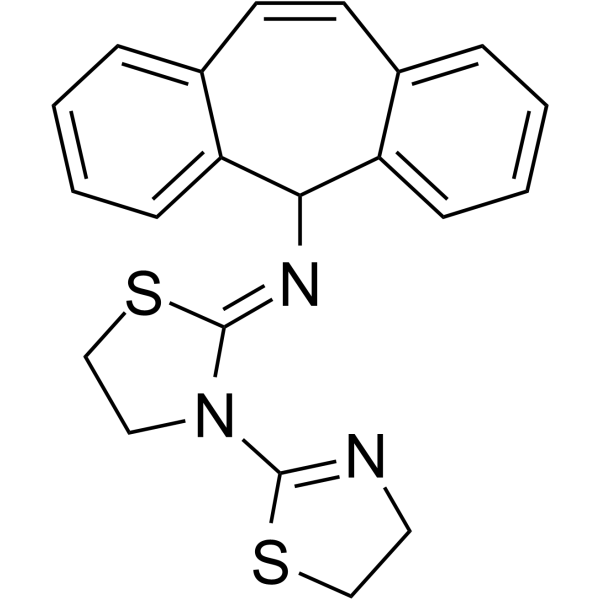
DS20362725
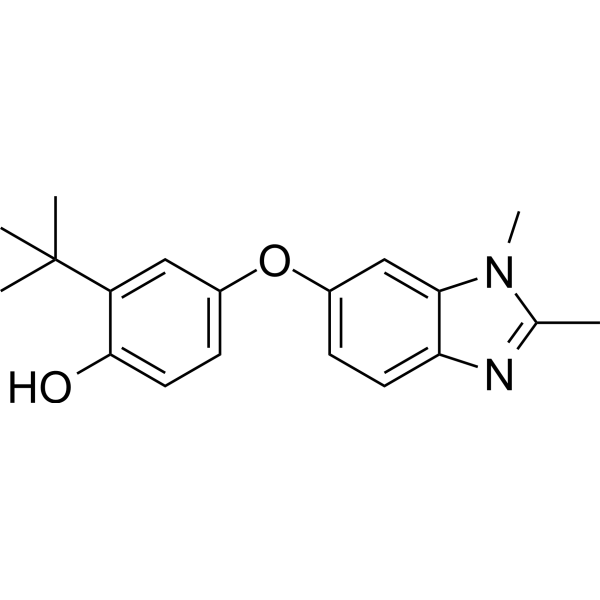 0 ImagesDS20362725 is an estrogen-related receptor α (ERRα) agonist. DS20362725 inhibits the binding between receptor-interacting protein 140 (RIP140) corepressor peptide (10 nM) and GST-ERRα ligand-binding domain (LBD; 1.2 μM) with an IC50 value of 0.6 μM. DS20362725 can be used for the research of metabolic disorders, including type 2 diabetes mellitus (T2DM).
-
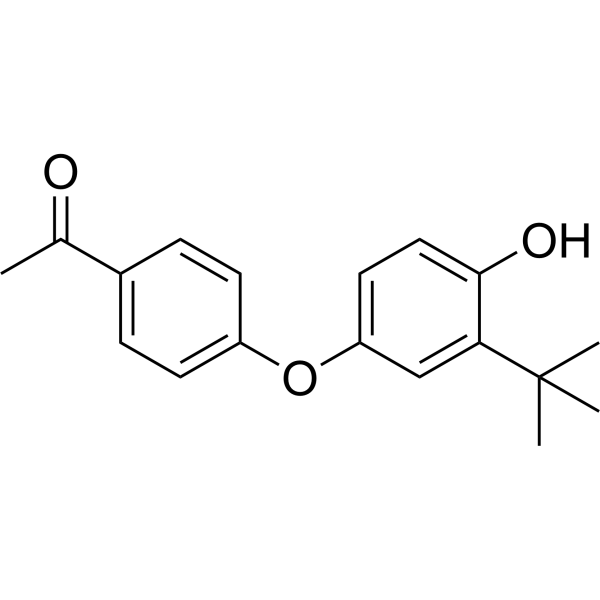
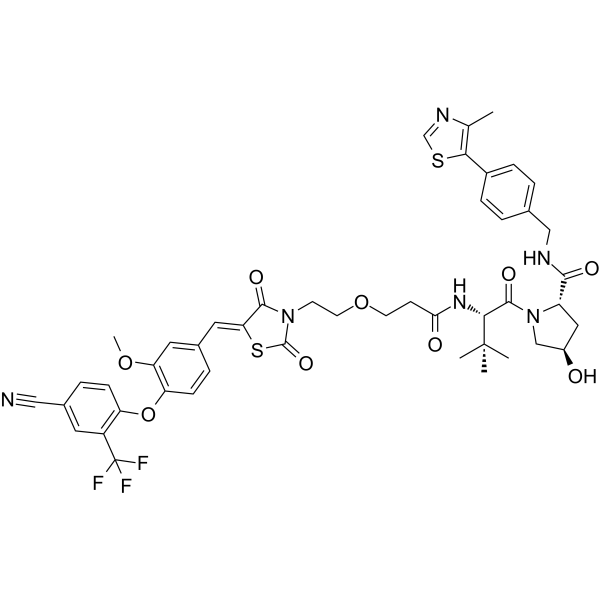
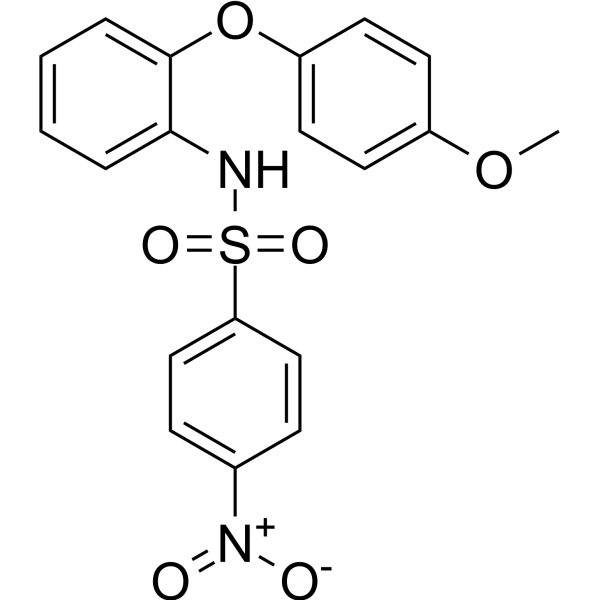
PROTAC ERRα ligand 1
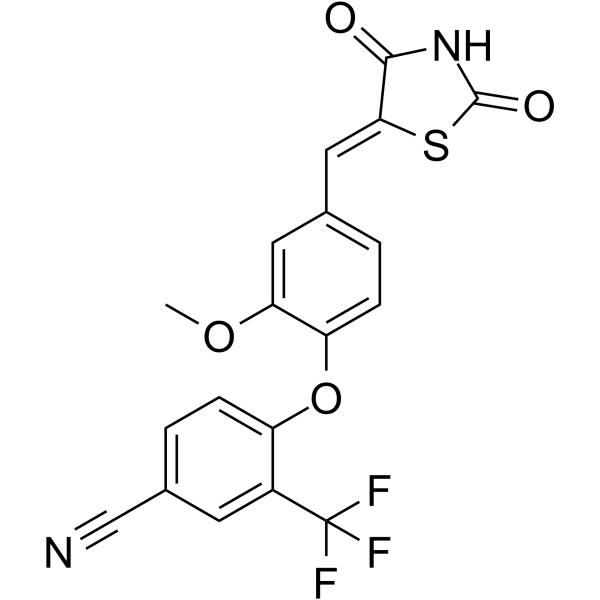 0 ImagesPROTAC ERRα ligand 1 is a PROTAC target protein ligand. PROTAC ERRα ligand 1 is an orally active ERRα inverse agonist with IC50 values of 0.6 μM for ERRα. PROTAC ERRα ligand 1 shows no significant activity against a panel of other nuclear receptors, including ERαc, ERRγ, ERβ, PPARα, PPARγ, PPARδ, and RXRα. PROTAC ERRα ligand 1 can provide enhanced insulin sensitivity in vivo. PROTAC ERRα ligand 1 can be used for metabolic diseases research, such as type 2 diabetes and obesity.
-
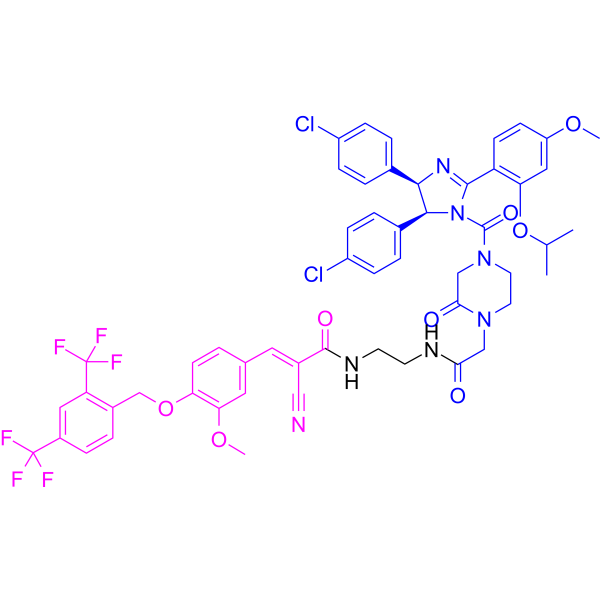
Benoxacor
 0 ImagesSynonyms: CGA 154281Benoxacor (CGA 154281) is a herbicide safener and xenobiotic metabolism regulator. Benoxacor protects maize from the toxicity of metolachlor mainly by inducing detoxifying enzymes such as Glutathione S-transferase. Benoxacor also activates FXR, PXR and ERRα, and inhibits aromatase (aromatase). However, Benoxacor exhibits potential subacute oral toxicity and a high risk of hepatotoxicity in animal models. Benoxacor induces reactive oxygen species accumulation, interferes with embryonic heart development, and causes increased liver and kidney weights as well as alterations in gut microbiota in mice. Benoxacor can be used in studies related to hepatic steatosis, infertility, breast cancer and developmental toxicity.
-
His-TERRα
 0 ImagesCat. No.: HY-180961CAS No.: 2408835-49-2His-TERRα is a ERRα PROTAC degrader. His-TERRα uses a single amino acid (His) as the E3 ligand and employs the N-end rule pathway to induce the degradation of the target protein, significantly reducing the molecular size, and thus is called a mini-PROTAC. His-TERRα significantly inhibits the proliferation and migration of MCF7 breast cancer cells. His-TERRα can be used for the study of breast cancer.
- 1




